
How to Break Your Fast Properly in the UAE (Without Bloating or Weight Gain)
In Dubai, Abu Dhabi, and across the UAE, Iftar tables are generous.
Dates. Juices. Fried sambousek. Desserts.
But after 14 hours of fasting, your body is extremely sensitive.
If you’re searching for healthy Iftar ideas in the UAE that won’t leave you bloated or exhausted, this guide explains what really happens inside your body — and what to eat instead.
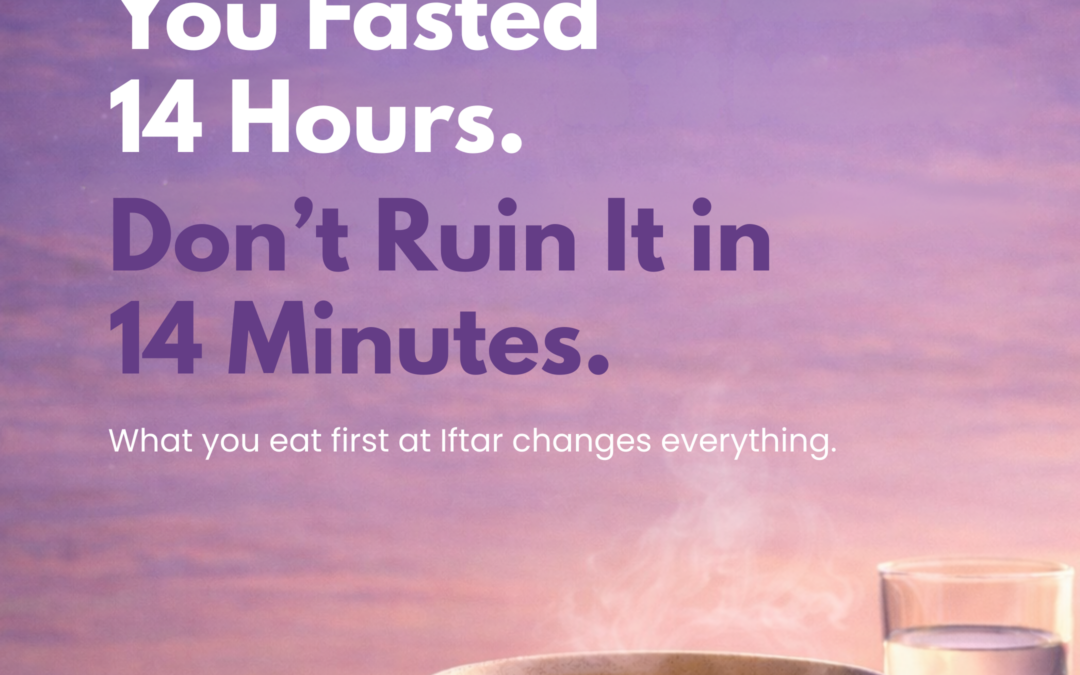
You fasted 14 hours.
Don’t undo the benefits in 14 minutes.
Why Many People in the UAE Feel Bloated After Iftar
Across Dubai and the wider UAE, common Iftar habits include:
Sweet laban and fruit juices
Fried appetizers
Heavy rice dishes
Large portions eaten quickly
After a long fast:
Hunger is intense
Blood sugar is highly sensitive
Digestion slows
When Iftar begins with sugar and fried foods, it often leads to:
Bloating
Energy crashes
Sugar cravings
Gradual Ramadan weight gain
Fasting isn’t the problem.
How you break your fast in Ramadan is.
What Happens in Your Body After 14 Hours of Fasting
During Ramadan in the UAE, fasting hours can exceed 14 hours.
By Maghrib:
Insulin levels are low
Blood sugar sensitivity is high
Your body is primed for nourishment
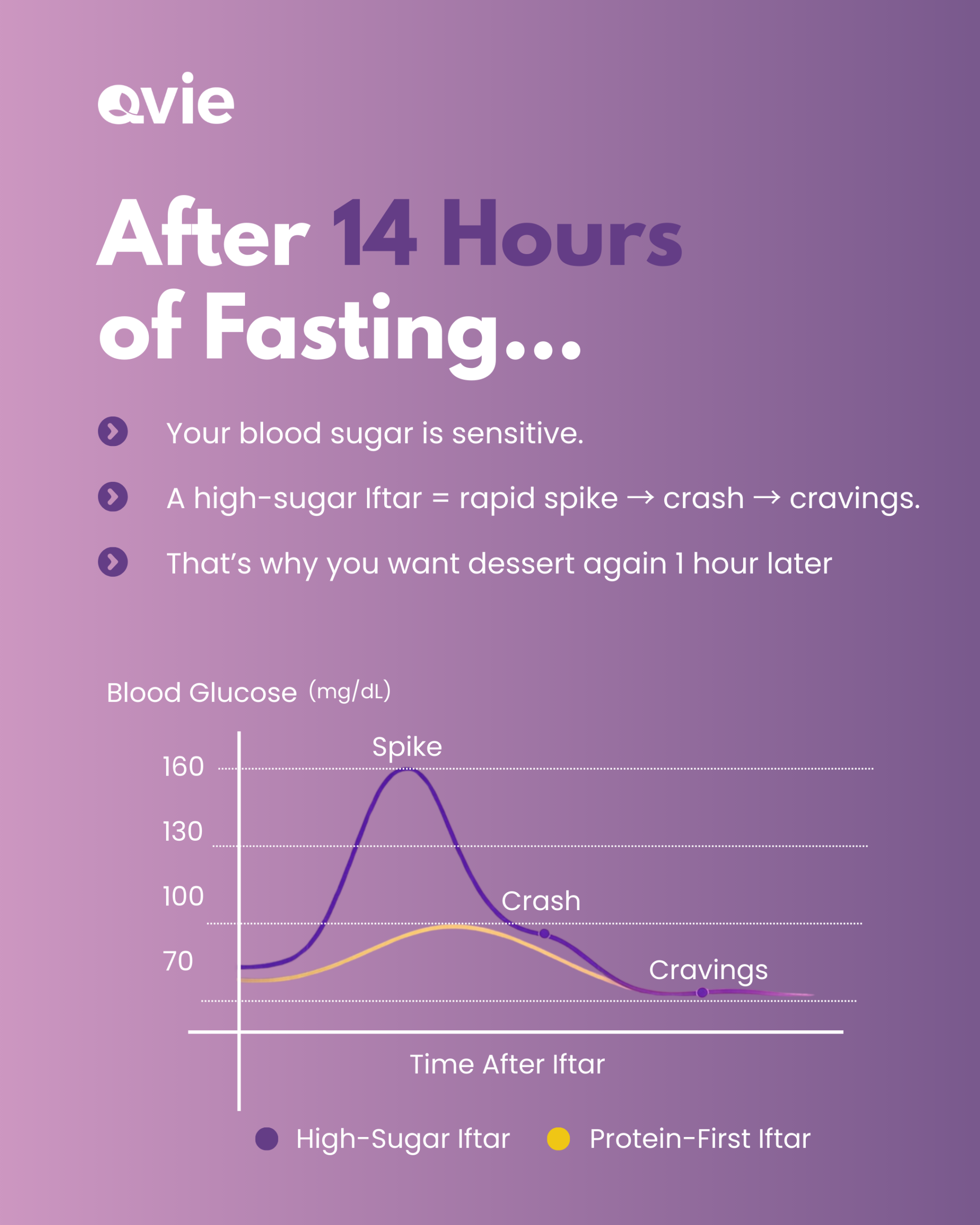
If your first meal is high in sugar:
Blood sugar spikes rapidly
Insulin surges
Energy crashes
Cravings increase
This is why many people in Dubai and Abu Dhabi feel hungry again shortly after Iftar.
The first food you eat determines your evening.
The Smart Iftar Strategy: Start With Protein, Not Sugar
If you’re looking for the best Iftar food in Dubai or the UAE for energy and weight balance, start with protein.
Protein helps:
Stabilize blood sugar
Reduce overeating
Support metabolism
Control cravings
Prevent late-night snacking
Instead of beginning with sugary drinks, start with a light, high-protein option.
This approach is especially helpful for:
Professionals in Dubai
Busy parents in Abu Dhabi
Anyone trying to maintain weight during Ramadan in the UAE
Healthy Iftar Ideas in the UAE (Low Carb & High Protein)
A balanced Iftar opener should be:
High in protein
Low in refined carbohydrates
Light on digestion
Warm and satisfying
For example, high-protein soups can be an ideal low carb Iftar option in the UAE.
Qvie High-Protein Soups, available across the UAE, provide:
15–18g protein
2g carbs
1.5g sugar
Under 100 calories
Ready in 1–2 minutes
This makes them suitable for:
Low carb Ramadan plans
Weight-conscious individuals in Dubai
Those avoiding bloating after Iftar
Anyone searching for healthy Ramadan meals in the UAE
Instead of heavy, fried starters, you begin with balanced nourishment.
No heaviness.
No crash.
No regret.
How Protein Helps Control Ramadan Cravings in the UAE
One of the biggest challenges during Ramadan in Dubai and across the UAE is late-night dessert culture.
Protein directly reduces ghrelin — the hunger hormone.
Higher protein intake at Iftar can:
Naturally reduce cravings
Improve portion control
Help maintain weight
Reduce sugar dependence
This means you don’t need extreme dieting during Ramadan.
You simply structure your Iftar intelligently.
Mindful Nourishment During Ramadan in Dubai & the UAE
Ramadan in the UAE is about reflection, discipline, and community.
Your nutrition can reflect that intention.
Break your fast gently.
Fuel your body intelligently.
Feel light and energized for Taraweeh, family gatherings, and work commitments.
Choosing high-protein, low-carb Iftar options in Dubai helps you:
Maintain steady energy
Avoid bloating
Stay in control
Support weight management
Final Thoughts: Nourish Your Fast in the UAE
If you’re searching for:
Healthy Iftar UAE
Low carb Ramadan meals Dubai
Best high protein Iftar ideas
Avoid bloating during Ramadan
Start with protein.
Start warm.
Start intelligently.
After 14 hours of fasting in the UAE heat, your body deserves thoughtful nourishment.
Nourish your fast — don’t just break it.